By the Editorial Team · Updated July 2, 2026
If you are asking how much does semaglutide cost without insurance 2026, the short answer is that brand-name semaglutide products such as Ozempic and Wegovy typically carry a manufacturer list price of roughly $1,000 to $1,400 for a one-month supply before any discounts, according to published manufacturer list prices and pricing trackers like GoodRx. The longer answer is more encouraging: very few uninsured patients actually pay the full sticker price, because a growing number of savings cards, direct-from-manufacturer self-pay options, telehealth programs, and pharmacy discount tools can bring the real out-of-pocket cost down substantially. This guide walks through what drives the price, what you can realistically expect to pay, and the safe, legitimate ways to lower your bill.
What Is Semaglutide, and Why Does the Brand Matter?
Semaglutide is the active ingredient in several FDA-approved medications made by Novo Nordisk. It belongs to a class of drugs called GLP-1 receptor agonists, which mimic a hormone that helps regulate blood sugar and appetite. The same molecule is sold under different brand names for different, FDA-approved uses, and that labeling directly affects both price and how easily you can get it covered or discounted.
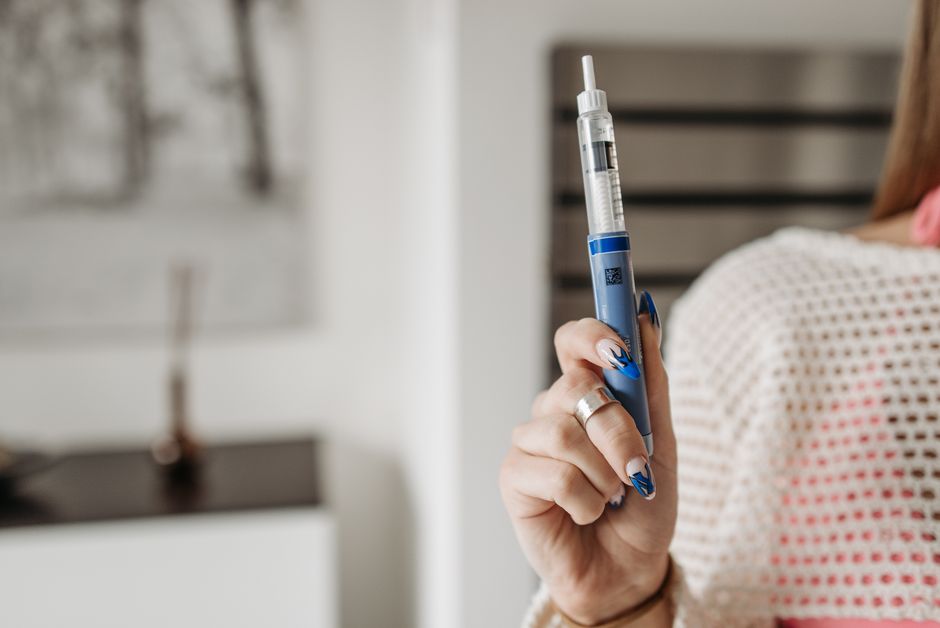
Ozempic and Rybelsus are labeled to improve blood sugar control in adults with type 2 diabetes; Ozempic is a once-weekly injection, while Rybelsus is a daily tablet. Wegovy is the higher-dose injectable version approved specifically for chronic weight management in eligible adults and adolescents, and more recently to reduce certain cardiovascular risks. Because Wegovy is marketed for weight loss, some insurers treat it differently than diabetes drugs, and self-pay pricing programs sometimes differ between the brands. Knowing which product your prescriber recommends is the first step to estimating your real cost.
How Much Does Semaglutide Cost Without Insurance 2026: The List Price Reality
When people search for how much does semaglutide cost without insurance 2026, they are usually looking at the “list price,” which is the manufacturer’s published starting price before rebates, discounts, or coupons. As of early 2026, published list prices for both Ozempic and Wegovy have commonly sat in the range of about $1,000 to $1,400 for a 28-day supply, and pricing trackers such as GoodRx have reported cash prices near that band at many retail pharmacies. These figures are ranges, not guarantees, and they change frequently as manufacturers adjust pricing and as new direct-pay programs launch.
It is important to understand that the list price is rarely what a well-informed uninsured patient ends up paying. List prices exist largely for insurance negotiation. For a cash-paying patient, the meaningful number is the net price after you apply a savings card, a manufacturer self-pay program, a pharmacy discount, or a bundled telehealth offer. Those tools can move the effective monthly cost far below the sticker figure, which is why comparison shopping matters so much.
What Actually Affects Your Out-of-Pocket Price
Several factors determine what you will pay month to month. First is the specific product and dose: injectable Wegovy and Ozempic pens are priced differently than the Rybelsus tablet, and starter doses are sometimes billed the same as maintenance doses. Second is the pharmacy: cash prices for the identical product can vary by a hundred dollars or more between a big-box chain, a grocery pharmacy, and an independent drugstore.
Third is which savings pathway you use. A manufacturer savings card, a direct self-pay vial program, a discount card, and a telehealth membership each produce a different net price, and you generally cannot stack a manufacturer coupon on top of a discount card. Fourth is your eligibility: some manufacturer savings offers require commercial insurance, while patient assistance programs are aimed at people with low income and no coverage. Finally, geography and supply conditions play a role, since regional demand and pharmacy stock can affect availability and price.
Comparing the Main Ways to Buy Semaglutide
The table below summarizes the most common legitimate acquisition routes for uninsured patients and the typical monthly cost you might expect from each. Treat every number as an approximate range that can change; always confirm current pricing directly with the pharmacy or program before you commit.
| Acquisition route | Typical monthly cost (uninsured) | Notes |
|---|---|---|
| Retail pharmacy cash price (brand pen) | ~$1,000–$1,400 | Full or near-full list price without any discount applied; varies by pharmacy and product. |
| Pharmacy discount card / GoodRx coupon | ~$900–$1,300 | Can trim retail price modestly; cannot be combined with manufacturer coupons; compare per pharmacy. |
| Manufacturer self-pay / direct program (e.g., NovoCare offerings) | Often several hundred dollars, varies | Novo Nordisk has offered direct self-pay pricing on certain products; eligibility and price vary and change often. |
| Manufacturer savings card | Lower copay, but usually requires commercial insurance | Best savings for many, but typically excludes the fully uninsured and government-insured patients. |
| Telehealth weight-loss program (bundled) | Varies widely by plan and product | May bundle a visit plus medication; verify it dispenses FDA-approved product from a licensed US pharmacy. |
| Patient assistance program (PAP) | Potentially free or steeply reduced | Income-based; designed for low-income, uninsured patients who qualify. |
Manufacturer Savings Cards and Direct Programs
Novo Nordisk operates savings resources through its NovoCare platform, and these are usually the first place a licensed provider will point you. Traditional manufacturer savings cards can dramatically reduce the copay for patients who have commercial (non-government) insurance, but they typically do not help someone who is completely uninsured. Because that leaves out many cash payers, manufacturers have increasingly rolled out direct self-pay options that offer certain semaglutide products at a set price paid directly, without going through insurance at all.
These direct self-pay prices have often landed well below the retail list price, sometimes in the several-hundred-dollar range per month, though the exact figure, eligible products, and terms change and should be verified at the source. To see current offers, check the official manufacturer resources at NovoCare. Always confirm that any program dispenses genuine, FDA-approved product through a licensed US pharmacy.
Telehealth Programs and Pharmacy Discounts
Telehealth weight-loss programs have become a popular route for uninsured patients. A reputable program connects you with a licensed clinician who evaluates whether semaglutide is appropriate, writes a prescription if so, and coordinates fulfillment through a licensed pharmacy. Some bundle the medical visit and the medication into one recurring price. The key safety question is whether the program is dispensing an FDA-approved branded product from a licensed US pharmacy, not an unverified product from an unregulated source.
Pharmacy discount tools like GoodRx work differently: they surface coupon prices you present at the counter to lower the cash price. For brand semaglutide, discount coupons usually shave a modest amount off the retail price rather than cutting it dramatically, but it still pays to compare the coupon price across several nearby pharmacies. Remember that you generally cannot combine a discount card with a manufacturer coupon, so run the numbers both ways and use whichever is lower.
A Note on Compounded Semaglutide and Safety
During the earlier GLP-1 shortage, some compounding pharmacies produced non-brand semaglutide, which was sometimes cheaper. That landscape has changed. The U.S. Food and Drug Administration removed semaglutide from its drug shortage list, and the large-scale compounding of semaglutide that was permitted during a shortage has largely been phased out. That means the safest and most clearly legal path is an FDA-approved product from a licensed US pharmacy.
Be cautious of websites offering “cheap semaglutide” without a prescription, selling research chemicals “not for human use,” or shipping products from unverified overseas sources. These can be counterfeit, contaminated, or incorrectly dosed. For background on approved GLP-1 medicines and safety, see the FDA and the consumer drug information at MedlinePlus. When price shopping, never trade safety for savings.
Step-by-Step: How to Lower Your Semaglutide Cost Safely
Here is a practical, safety-forward sequence for reducing your out-of-pocket cost without cutting corners:
- Start with a licensed provider. Semaglutide is prescription-only. Have a real clinical evaluation, in person or via a legitimate telehealth service, to confirm it is appropriate and to get the correct product and dose.
- Ask about the right brand for your situation. The diabetes-labeled and weight-loss-labeled products can differ in price and coverage, so ask your provider which is clinically appropriate and most affordable for you.
- Check manufacturer options first. Visit NovoCare to review current savings cards, direct self-pay pricing, and eligibility for the specific product you were prescribed.
- Screen for patient assistance. If you are low-income and uninsured, ask the manufacturer or your clinic about a patient assistance program, which may provide the medication free or at a steep discount for those who qualify.
- Compare pharmacy cash and coupon prices. Use a discount tool and call several pharmacies. Prices for the same product genuinely vary, and a few phone calls can save a meaningful amount.
- Evaluate telehealth bundles carefully. If a program bundles visit plus medication, confirm it dispenses FDA-approved product from a licensed US pharmacy and read the recurring-billing terms.
- Re-check periodically. Prices and programs change often, so revisit your options every few months rather than assuming last year’s deal still applies.
Budgeting Realistically for 2026
Because semaglutide is usually a long-term therapy, it helps to think in annual rather than monthly terms. If you pay a few hundred dollars a month through a direct self-pay program, that is still several thousand dollars a year, so build the ongoing cost into your budget before you start. If cost is a barrier, tell your provider directly; they may know of assistance programs, alternative GLP-1 options, or a phased plan that fits your finances better.
Also factor in the ancillary costs some programs charge, such as membership or consultation fees on top of the drug itself. The cheapest headline price is not always the cheapest total once fees are included, so compare the all-in monthly cost across options. A transparent, licensed provider or pharmacy should be willing to break down every charge for you before you pay.
Frequently Asked Questions
How much does semaglutide cost without insurance 2026 at a typical pharmacy?
At a retail pharmacy without any discount, brand-name semaglutide such as Ozempic or Wegovy commonly runs about $1,000 to $1,400 for a 28-day supply based on published list and cash prices. Most informed patients pay less by using a manufacturer self-pay program, a discount coupon, or a patient assistance program. All figures are ranges that change over time.
Is Ozempic or Wegovy cheaper without insurance?
Their list prices are broadly similar, but the net price you pay can differ depending on the specific savings program, your eligibility, and the pharmacy. Because Ozempic is labeled for diabetes and Wegovy for weight management, coverage and self-pay offers sometimes differ. Ask your provider and check current NovoCare pricing for each.
Can I get semaglutide free or nearly free if I am uninsured?
Possibly. Manufacturer patient assistance programs are designed for low-income, uninsured patients and may provide the medication at no cost or greatly reduced cost for those who qualify. Eligibility is income-based and requires an application, so ask your clinic or the manufacturer about the current program.
Are cheap online semaglutide sellers safe?
Be very careful. The safest path is an FDA-approved product from a licensed US pharmacy, prescribed after a real clinical evaluation. Sites selling semaglutide without a prescription, labeling it “not for human use,” or shipping from unverified sources may offer counterfeit or unsafe product. Do not trade safety for a lower price.
Why did compounded semaglutide become harder to find?
Compounded semaglutide was more available during the official drug shortage. After the FDA removed semaglutide from its shortage list, the large-scale compounding that had been permitted was largely phased out, steering patients back toward FDA-approved branded products from licensed pharmacies.
Will semaglutide prices go down in 2026?
Prices can move in either direction. Manufacturers have introduced direct self-pay options that lowered effective costs for some cash payers, and ongoing market and policy changes could shift prices further. Because programs and prices change frequently, re-check your options every few months rather than assuming a past price still holds.
Medical disclaimer: This article is for general educational purposes only and is not medical advice. Semaglutide is a prescription medication that should only be used under the supervision of a licensed healthcare provider. Prices, savings programs, and availability are approximate, vary by location and pharmacy, and change frequently; verify all current pricing directly with the manufacturer, pharmacy, or program. Do not start, stop, or change any medication without consulting a qualified clinician.