Dental Implants Cost Without Insurance in 2026: Real Price Ranges
By the My Sarkari Result Exam Editorial Team — Reviewed and updated July 14, 2026.
If you are researching how much dental implants cost without insurance, prepare for one of dentistry’s biggest price tags — and one of its widest price ranges. A single implant, fully restored with an abutment and crown, commonly runs somewhere between roughly $3,000 and $6,000 when you pay cash in 2026, while full-mouth implant solutions can range from about $15,000 to $60,000 or more. The final number depends heavily on your jawbone, how many preparatory procedures you need, the materials chosen, and even your ZIP code. This guide breaks down realistic price ranges, explains what drives them, and covers legitimate ways to bring the cost down.
What Do Dental Implants Cost Without Insurance?
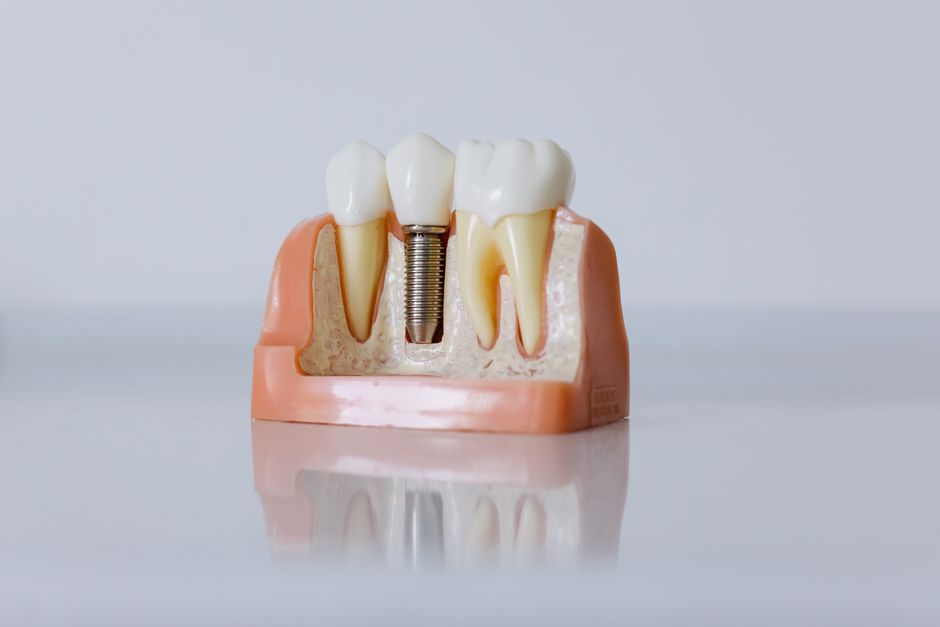
A dental implant is not one procedure but a sequence: the titanium (or zirconia) post surgically placed in the jaw, the abutment that connects it to the tooth, and the crown itself, usually spread over several months of healing. Each stage is billed separately, and many patients also need preparatory work such as an extraction or bone graft. Here is a general picture of the dental implants cost without insurance in 2026:
| Procedure | Typical Cash Price (2026) | Notes |
|---|---|---|
| Single implant (post only) | $1,500 – $3,000 | Surgical placement of the implant body |
| Abutment + crown | $1,500 – $3,000 | Added after the implant heals |
| Complete single-tooth implant | $3,000 – $6,000 | Post + abutment + crown combined |
| Tooth extraction | $150 – $650 | Simple vs. surgical extraction |
| Bone graft | $300 – $3,000 | Minor socket graft to major ridge/sinus work |
| Implant-supported bridge (3–4 teeth) | $5,000 – $16,000 | Two implants supporting multiple teeth |
| Full-arch fixed implants (per arch) | $15,000 – $30,000+ | “All-on-4”-style fixed hybrid |
| Full-mouth implants (both arches) | $30,000 – $60,000+ | Varies enormously by design and materials |
Treat every number as an estimate: fees differ between practices on the same street, and quotes should always be confirmed in writing after an exam and imaging. A written, itemized treatment plan is your most important comparison-shopping tool.
Why Implant Prices Vary So Much
Two patients replacing the same tooth can face bills thousands of dollars apart. The biggest cost drivers:
- Bone grafting and sinus lifts. If the jawbone has shrunk after tooth loss, the site must be rebuilt before an implant can hold. A small socket graft may add a few hundred dollars, while a sinus lift or major ridge augmentation can add thousands and months of healing time.
- Extractions and imaging. Removing a failing tooth, plus the 3D cone-beam CT scan most surgeons require, adds to the upfront cost.
- Materials and lab work. Zirconia (metal-free) implants and premium ceramic crowns typically cost more than standard titanium posts with porcelain-fused-to-metal crowns. Custom milled abutments cost more than stock parts.
- Who does the work. Oral surgeons and periodontists in high-overhead metro areas usually charge more than general dentists in smaller markets, though complex cases genuinely benefit from specialist experience.
- Geography. Big-city coastal practices often quote 30%–50% more than clinics in lower-cost regions for equivalent treatment.
- Sedation. IV sedation or general anesthesia adds several hundred dollars or more per visit compared with local anesthetic alone.
Because implants are usually classified as a major or even cosmetic-adjacent procedure, traditional dental plans that do cover them often pay only a portion and carry low annual maximums — which is why so many patients end up effectively paying cash. For a plain-English overview of implant treatment itself, the National Institute of Dental and Craniofacial Research (NIH) is a good starting point.
Cheaper Ways to Get Dental Implants
Paying cash does not mean paying the first quote you hear. Options that can substantially reduce the dental implants cost without insurance:
- Dental schools. University dental clinics place implants at significant discounts — often 30%–60% below private-practice fees — with students or residents working under close faculty supervision. Appointments take longer and cases are screened, but quality oversight is strong. Find accredited programs through the American Dental Association.
- Dental discount plans. These are not insurance; you pay an annual fee (commonly $100–$200) for access to negotiated rates, often 15%–50% off, with no annual maximums or waiting periods. They can work well for big-ticket procedures like implants — verify that the specific dentist and procedure codes are included before you enroll.
- Comparison shopping with itemized quotes. Get at least two or three written treatment plans. Ask each office to break out the implant, abutment, crown, graft, imaging, and sedation separately so you can compare like for like — and ask directly whether they offer a cash-pay discount.
- Community health centers and charitable programs. Federally funded health centers offer sliding-scale dental care, and some nonprofit programs help with major dental work for qualifying patients, though implant availability is limited and waitlists are common.
- Phasing treatment. Spreading stages (extraction and graft now, implant later, crown after healing) across calendar years can also spread the expense — and lets you use HSA or FSA funds, since implants are generally qualified medical expenses.
A Word of Caution on Dental Tourism
Traveling abroad — Mexico, Costa Rica, Hungary, Turkey, and Thailand are common destinations — can cut implant prices by 50%–70%, and many international clinics do excellent work. But the savings carry real trade-offs: standards and credentialing vary, implant therapy requires multiple visits months apart, and if a complication develops back home, a U.S. dentist may charge full price to repair another clinic’s work — sometimes with unfamiliar implant components that are hard to source. If you consider it, research the clinician’s training and the implant brand used, get complete records including scans and component specifications, and budget for follow-up care in the U.S. The CDC’s medical tourism guidance outlines the risks and precautions in detail.
Financing Options, Framed Honestly
Because few people have $4,000–$40,000 sitting idle, most implant practices offer financing. Understand each option before signing:
- In-house payment plans. Some offices split payments across treatment stages interest-free — often the simplest, cheapest route when available.
- Medical credit cards and dental financing (e.g., deferred-interest promotions). “No interest for 12–24 months” offers can work if you are certain you can pay the balance in full before the promotional window ends; otherwise deferred interest can be charged retroactively on the entire original amount at a high rate. Read the terms carefully.
- Personal loans. A fixed-rate personal loan has predictable payments and no deferred-interest trap, but the rate you qualify for depends on your credit.
- HSA/FSA funds. Implants needed to treat a dental condition are generally HSA/FSA-eligible, letting you pay with pre-tax dollars — confirm with your plan administrator.
None of these options lowers the actual price; they change when and how you pay it, and some add cost. Negotiating the fee itself and comparing providers usually saves more than any financing product.
Are Implants Worth It Compared to Bridges or Dentures?
Implants cost more upfront than a traditional bridge or removable denture, but they do not rely on grinding down neighboring teeth, they help preserve jawbone, and with good care they can last decades — often making the long-run cost competitive. That said, bridges and dentures remain legitimate, far cheaper options, and the right choice depends on your oral health, bone, budget, and priorities. A frank conversation with a dentist you trust — ideally more than one — is worth more than any price table.
Frequently Asked Questions
How much does one dental implant cost without insurance?
A complete single-tooth implant — post, abutment, and crown — typically costs somewhere between roughly $3,000 and $6,000 in 2026, before any extraction, bone graft, or sedation. Simple cases in lower-cost regions can come in below that range; complex cases in major metros can exceed it.
Why isn’t the implant covered by dental insurance?
Many dental plans exclude implants or classify them as a major service covered at 50% or less, and typical annual maximums of $1,000–$2,000 are quickly exhausted by a single implant. Some plans also apply waiting periods or “missing tooth” clauses that exclude teeth lost before coverage began.
Are dental schools safe for implant treatment?
Accredited dental-school clinics are closely supervised by experienced faculty, and treatment follows the same standards as private practice. The trade-offs are longer appointments, a slower overall timeline, and case screening — not lower safety.
Can I use my HSA or FSA for dental implants?
Generally yes. Implants placed to treat tooth loss or dental disease are typically qualified medical expenses, so pre-tax HSA/FSA dollars can be used. Purely cosmetic procedures are not eligible, so confirm your specific treatment with your plan administrator.
Is a cheap implant quote a red flag?
Not automatically, but scrutinize it. Some heavily advertised low prices cover only the implant post, with the abutment, crown, imaging, and grafting billed separately. Always compare complete, itemized treatment plans — never headline prices.
Key Takeaways
The dental implants cost without insurance in 2026 generally runs about $3,000–$6,000 per finished tooth and $15,000–$60,000+ for full-mouth solutions, driven by grafting needs, materials, provider type, and geography. Dental schools, discount plans, itemized comparison shopping, HSA/FSA funds, and careful — not desperate — use of financing can bring the total down considerably. For more paying-out-of-pocket strategies, see our guides on the average cost of hearing aids without insurance and how much an online doctor visit costs without insurance.
Medical Disclaimer: This article is for general educational and informational purposes only and is not medical, dental, or financial advice. Implant treatment decisions depend on an in-person examination, imaging, and your overall health, and all prices here are broad estimates that change over time and vary by provider and region. Always consult a licensed dentist or oral surgeon about your specific situation and verify current pricing, coverage, and eligibility with qualified providers and official sources before making decisions.